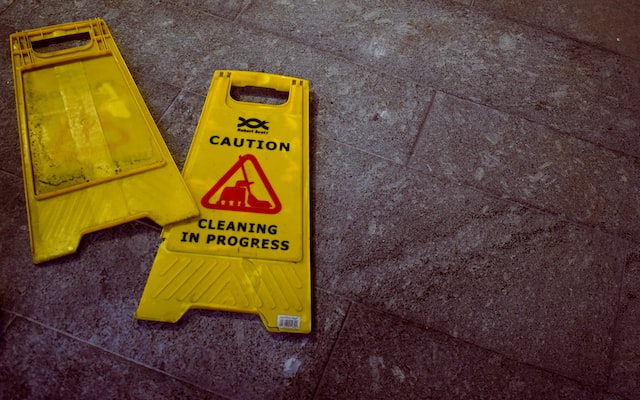
Workplace Incidents Caused by Lack of Attention
Numerous workplace incidents can be attributed to inattention. Inattention is frequently a factor in minor occurrences, but it also has the potential to lead to larger, more dangerous incidents.
Some frequent occurrences or harms include:
• Falls, trips, and slips
• Scrapes, cuts, or bumps
• Traffic collisions
Life diversions and tensions, lack of sleep, usage of a mobile device, and illness are four factors that are frequently linked to poor concentration at work.
Life’s Interruptions
Life can be challenging, and frequently, when we arrive at work, we continue to consider the challenges we have at home, in our relationships, with our finances, etc.
Frequently, when our minds wander, we become sidetracked from the task at hand. When this happens, we run the danger of hurting ourselves or other people.
It is frequently beneficial to take a break to recollect our thoughts if life’s stresses and distractions are dominating our attention. This could involve taking a sick day and taking one or two days off to deal with the distractions on our minds, or it could simply involve taking a brief tea break to get some fresh air, refocus our thoughts, and make sure our attention is back on track. An excellent reset frequently involves taking a short, five to ten minute walk outside to get some fresh air, regroup our thoughts, and briefly “turn off.”
Inform your manager or supervisor right away if you are experiencing stress or being distracted at work. Distracted workers frequently overestimate their capabilities, take foolish chances, and make mistakes that can significantly harm the company.
Lack of sleep
One of the main reasons of excessive daytime sleepiness is insufficient sleep. Lack of sleep and daytime weariness can have major negative effects on one’s personal and professional life. Sleep deprivation has an effect on both physical and mental health. Poor sleepers are more likely to experience high blood pressure, a stroke, heart disease, and obesity. They run the danger of suffering from sadness and anxiety.
Sleepiness can significantly raise the risk of a working mishap, which can cause harm or even death.
Lack of sleep has a negative impact on productivity, task management, safety, and goal-setting, among other aspects of job performance.
Compared to their non-sleep-deprived coworkers, tired employees are 70% more likely to be engaged in workplace accidents.
Your reaction speed slows down when you don’t get enough sleep, which results in slower and less accurate decision-making. You are more inclined to underestimate your own capabilities and take risky actions. Sleepiness might consequently result in mistakes and mishaps that have an effect on the job.
Mobile devices
Mobile phones are useful tools for organizations, but when used improperly, they may be harmful.
When walking, performing a physical task, driving, or when your attention needs to be elsewhere, it is best to avoid using mobile devices.
Trips, falls, slides, and impacts with objects are among the many events that might result from using a mobile phone. Many of these instances take place as a result of the person’s lack of focus and attention to their environment.
When driving automobiles, machines, or high-risk tasks like working at heights, mobile phones should not be utilized. Even using a hands-free device while driving has challenges. In order to focus on the conversation, the motorist often shifts their whole attention away from the road and any potential hazards in the area.
Use of mobile devices has been connected to catastrophic accidents, injuries, and even fatalities.
Illness
Incidents can also be brought on by illnesses because of inattention. Your reactions are frequently delayed and your thinking is “fuzzy” while you’re ill. If you have not taken a sick day and are ill, hurt, or just “under the weather,” it is crucial that you inform your manager or supervisor.
You are less likely to hurt yourself, others, or make mistakes that could have an adverse effect on the workplace if you do jobs that are lower risk or that you are better physically and psychologically equipped to complete.
The best course of action is to take a sick day since your body and mind need the time to relax and recover. Utilizing sick time can frequently hasten your recovery from an illness or injury and ease the strain on your internal organs. Taking a sick day can reduce the likelihood that your coworkers will become ill as well.
Being ill can refer to both physical and mental illnesses in addition to ailments and wounds. When it comes to attention, mental illness is frequently a greater risk to your safety at work.